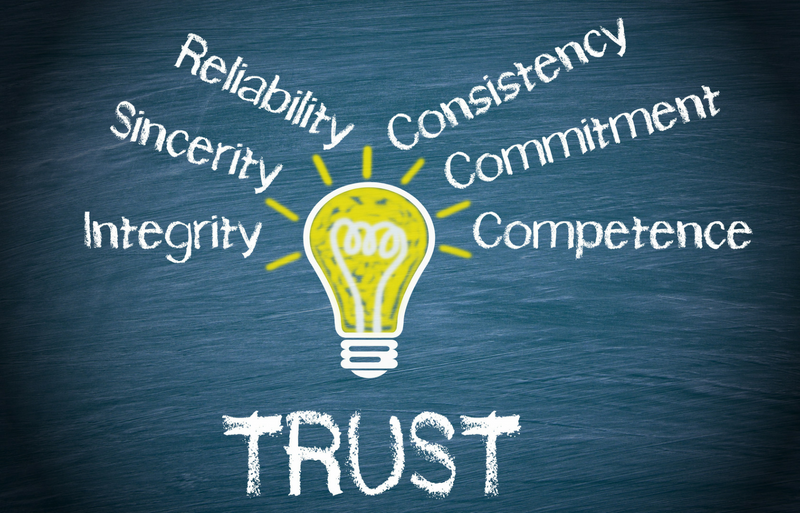
You can have every technical qualification on paper and still fail as a leader if your team doesn’t trust you. I’ve seen this happen with genuinely brilliant, well-intentioned managers.
Trust isn’t one of many leadership skills — it’s arguably the foundation the rest of them sit on. Without it, communication breaks down, feedback stops flowing honestly, and people start managing up instead of doing their actual jobs well.
Why Trust Is the Core Leadership Skill
Trust between a leader and their team directly affects how honestly people communicate, how much initiative they take, and how willing they are to stay through difficult periods. Teams without trust in leadership tend to disengage quietly rather than voice concerns openly.
Skill 1: Consistency Between Words and Actions
Nothing erodes trust faster than a leader who says one thing and does another. If you promise feedback by Friday, deliver it by Friday. Small broken promises add up faster than people realize.
Skill 2: Transparent Communication
Teams can handle bad news. What they struggle with is finding out information was deliberately withheld from them. Leaders who communicate honestly, even about difficult topics like budget cuts or restructuring, build far more resilient trust than those who sugarcoat or delay difficult conversations.
Skill 3: Admitting Mistakes
This one’s harder than it sounds, especially for leaders who feel pressure to appear infallible. But watching a leader own a mistake — genuinely, without excessive excuse-making — actually builds more credibility than a flawless track record would.
I’ve noticed the leaders people respect most aren’t the ones who never mess up. They’re the ones who handle it well when they do.
Skill 4: Giving Credit Generously
Taking credit for a team’s work is one of the fastest ways to destroy trust. Publicly acknowledging individual contributions, especially to senior stakeholders, tells your team you’ve genuinely got their back.
Skill 5: Active Listening
- Actually pausing before responding, instead of formulating your reply while someone’s still talking
- Following up on concerns raised in one-on-ones, rather than letting them disappear
- Asking clarifying questions instead of assuming you understand the issue immediately
[link to related guide on effective leadership styles here]
Skill 6: Fairness and Consistency
Playing favorites, even unintentionally, damages trust across the entire team, not just with the person being treated unfairly. People notice inconsistent treatment far more quickly than leaders often assume.
Related resourceEffective Leadership Styles for Modern Managers
Skill 7: Following Through on Commitments
If you commit to advocating for a raise, a promotion, or additional resources for your team, actually follow through — or at minimum, communicate clearly if circumstances change. Silence after a commitment is one of the fastest ways to lose credibility.
How to Rebuild Trust If It’s Already Broken
- Acknowledge the specific issue directly rather than a vague, generic apology
- Be consistent over an extended period — trust rebuilds slowly, not through a single grand gesture
- Ask for feedback on how you’re doing, and actually act on it
- Give it time; rushing the process usually backfires
FAQs
How long does it take to build trust as a new leader? There’s no fixed timeline, but consistent behavior over three to six months typically establishes a solid foundation with a new team.
Can trust be rebuilt after it’s broken? Yes, though it takes longer than building it the first time and requires consistent, demonstrated change rather than just words.
Is being liked the same as being trusted as a leader? No, these are different things — a leader can be well-liked without being trusted, and vice versa, though the strongest leaders tend to have both.
What’s the fastest way to lose team trust? Being inconsistent between what you say and what you actually do, especially around commitments and promises made to the team.
Does admitting mistakes make a leader look weak? Generally the opposite — teams tend to respect leaders more when they own mistakes honestly rather than deflecting or making excuses.
Conclusion
Trust isn’t built through a single grand gesture — it’s built through hundreds of small, consistent choices over time. Follow through on what you say, communicate honestly even when it’s uncomfortable, and give credit where it’s genuinely due. Do that consistently, and the rest of your leadership skills have something solid to actually stand on.
Suggested alt text 1: “Manager having an honest one-on-one conversation with an employee” Suggested alt text 2: “Team collaborating with visible trust and open communication”