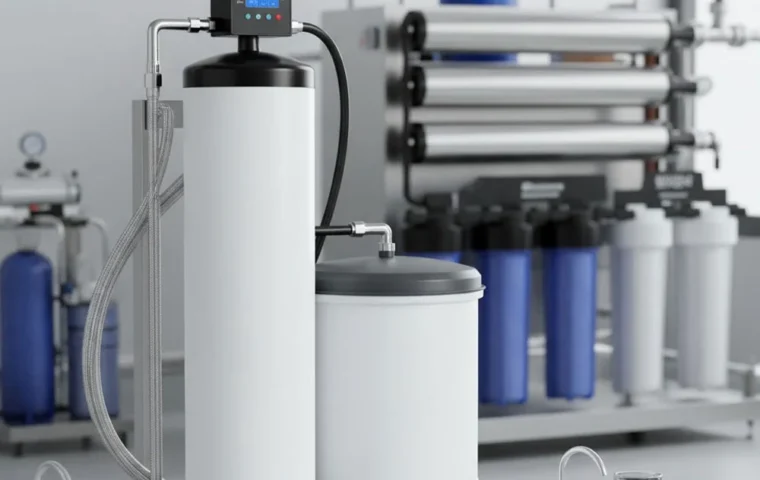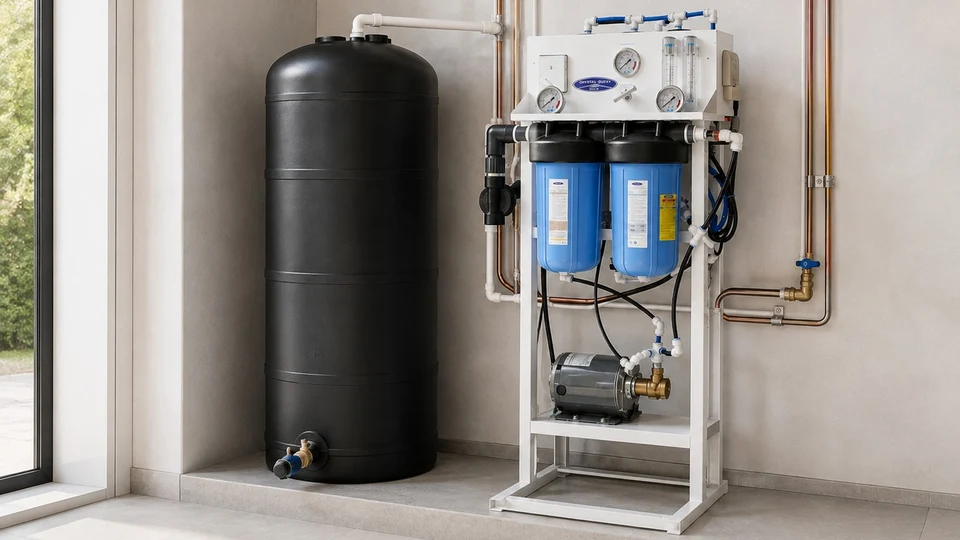
Good water makes everyday life a little easier. You notice it when your morning coffee tastes right, your shower feels refreshing, and you’re not constantly scrubbing white deposits from the kitchen faucet. On the other hand, when water leaves stains, smells unusual, or makes appliances harder to maintain, even simple household chores can become frustrating.
The challenge is that water problems don’t all have the same cause. Some homes struggle with hard water, others notice chlorine odors, and some need help dealing with sediment or particular contaminants. Buying the first filter you see might improve one issue while leaving another untouched.
A better approach is to understand what your water needs and choose equipment accordingly. Water softening, whole-house filtration, and drinking water treatment can each play a useful role, but they aren’t interchangeable. Knowing the difference helps you make a practical decision without spending money on equipment your home may not need.
Understanding Hard Water and Its Everyday Effects
Hard water contains dissolved minerals, mainly calcium and magnesium. These minerals occur naturally as water moves through soil and rock, and their concentration varies by location and source.
You might notice hard water when soap refuses to lather properly, glassware develops cloudy marks, or a kettle accumulates a chalky layer. Over time, mineral deposits can also build up inside pipes, water heaters, and other equipment that regularly heats water.
For households dealing with these issues, water softeners can be an effective solution. Traditional ion-exchange softeners replace hardness minerals with sodium or potassium ions, reducing the tendency for scale to form. The right unit depends on the water’s hardness, household demand, and the system’s regeneration capacity.
Softening doesn’t mean removing every unwanted substance from the water. It is primarily intended to address hardness, not bacteria, chlorine, or all dissolved contaminants. If your water has several different problems, you may need more than one treatment method.
It’s also worth asking about salt use, wastewater from regeneration, and ongoing maintenance before purchasing a softener. These practical details affect the cost and convenience of owning one.
Why Whole-House Filtration May Be Worth Considering
Sometimes, the concern isn’t hardness but the overall character of the water coming into the property. You might notice a strong disinfectant smell, unpleasant taste, or visible particles. In other cases, a water test may reveal a substance that requires targeted treatment.
Whole home filtration treats incoming water before it travels through the property’s plumbing, allowing the selected treatment to serve multiple taps and fixtures. Depending on the equipment, it may reduce sediment, chlorine taste and odor, or other substances the system has been designed to address.
The key is selecting the correct filter. Sediment cartridges capture suspended particles, while activated carbon can reduce certain chemicals and compounds through adsorption. Specialized filter media may be needed for other contaminants. One general-purpose filter cannot be assumed to remove everything.
Related resourceReliable Water Treatment Solutions for Modern Commercial Businesses
Testing should guide the decision. Municipal water customers can review their supplier’s water quality report and investigate any unusual changes. Private well owners should arrange appropriate testing, including checks for bacteria and other locally relevant contaminants, in line with public health recommendations.
If the water suddenly changes color, develops an unusual chemical smell, or becomes noticeably different, don’t assume a new filter will make it safe. Contact the water supplier or a qualified testing professional and follow any official advice.
When Drinking Water Needs Additional Treatment
A whole-house system may address certain concerns throughout the property, but some homeowners want additional treatment at the kitchen tap. This can be useful when the primary goal is improving drinking water taste or reducing specific dissolved substances.
Reverse osmosis systems use a semipermeable membrane to separate water from many dissolved substances. Depending on the model and its certification, a system may reduce certain salts, metals, and other contaminants. Performance varies, so the product’s verified reduction claims should match the actual concern.
Reverse osmosis equipment commonly includes pre-filters to protect the membrane and may include a post-filter to improve taste. Some systems also include a storage tank, while others use tankless designs. Each arrangement has its own space, flow, and maintenance requirements.
There are trade-offs to consider. Reverse osmosis systems can produce wastewater, need periodic filter changes, and may deliver water more slowly than a standard tap. Some models include remineralization stages, although the need for one depends on personal preference and the system’s design.
Before buying, check which contaminants the unit is certified to reduce, how much treated water it can produce, and the cost of replacement components. Avoid choosing solely by the number of filtration stages advertised on the packaging.
Can You Combine Different Treatment Methods?
Yes, and in some homes a combination makes sense. A property with hard water and noticeable chlorine taste, for example, may benefit from a softener and a separate carbon filter. A household with specific drinking water concerns might use whole-house treatment alongside an under-sink reverse osmosis unit.
However, more equipment doesn’t automatically mean better water. Every additional component adds installation costs, maintenance tasks, and potential points of failure. The system should be designed around the actual water test results and the household’s priorities.
Flow rate is another important factor. A system that’s too small can restrict water when multiple fixtures operate simultaneously. An oversized unit may cost more than necessary. A qualified installer can evaluate household demand, plumbing configuration, incoming pressure, and available installation space.
Related resourceFinding the Right Water Treatment System for Your Business
It’s sensible to request a written explanation of the proposed setup. Ask what each component does, which problem it addresses, and how you’ll know when it needs servicing. A good recommendation should be understandable without requiring you to become a water treatment expert overnight.
Don’t Forget Maintenance and Long-Term Costs
Water treatment equipment needs regular care to keep working properly. Filters eventually become exhausted or clogged, softeners need appropriate replenishment and servicing, and reverse osmosis membranes may require replacement according to operating conditions and manufacturer guidance.
Before committing to a system, compare the expected annual costs rather than looking only at the purchase price. Include replacement filters, salt or other treatment materials, professional servicing, electricity where required, and any water used during regeneration or filtration.
Keep a record of installation dates and maintenance visits. Watch for unexpected changes in pressure, taste, or appearance, but remember that some contaminants cannot be detected by smell or sight. If a system is intended to reduce a specific contaminant, follow the recommended testing schedule rather than relying on water that looks clear.
Reliable service support can also make ownership easier. Knowing where to obtain compatible replacement parts and who to contact if something goes wrong can save time when the system needs attention.
Make the Choice That Fits Your Home
There isn’t one water treatment system that’s ideal for every household. The right choice depends on your water source, test results, budget, plumbing, and the problems you want to solve.
Start by identifying those needs. Consider a softener when hardness is the main concern, whole-house filtration when appropriate treatment is needed across multiple fixtures, and reverse osmosis when a suitable drinking water application calls for it. In some cases, a combination may provide the most practical result.
Take your time, compare verified product performance, and ask questions before installation. A well-chosen system should address real problems without adding unnecessary complexity.
Ultimately, better water isn’t about owning the most expensive equipment. It’s about understanding what’s coming into your home and choosing a reliable solution that makes daily life more comfortable, one tap at a time.