Every business depends on water in some way, even if it isn’t immediately obvious. A restaurant needs it for cooking and cleaning. A hotel relies on it for guest comfort and laundry. Manufacturing facilities may use it in production, cooling, rinsing, or equipment operation. When water quality becomes a problem, the effects can spread quickly, from higher maintenance costs to inconsistent results and frustrated customers.
The tricky part is that not every business faces the same challenges. Water that works perfectly well for an office pantry may be unsuitable for a commercial kitchen or a specialized production process. Choosing the right treatment system, therefore, involves more than comparing product prices. It means understanding the water, the workplace, and the demands of daily operations.
Start by Understanding Your Water
Before investing in equipment, take a closer look at the water entering your premises. Does it leave white deposits on taps? Does it have a noticeable chlorine smell? Are filters clogging frequently, or is equipment showing signs of scale buildup?
These observations can offer useful clues, but they don’t tell the whole story. Clear water can still contain dissolved substances that affect performance, and unusual taste or odor doesn’t necessarily identify the source of a problem.
Water testing is often the best starting point. Depending on the business and its water source, testing may examine hardness, pH, dissolved solids, chlorine, iron, or specific contaminants relevant to the application. Private supplies and specialized industrial processes may require additional checks.
The purpose isn’t to test for everything imaginable. It’s to identify the factors that could affect safety, equipment reliability, product quality, or compliance with applicable standards. Once those needs are clear, it becomes much easier to compare suitable treatment options.
Why One System Doesn’t Suit Every Business
Imagine two businesses operating on the same street. One is a busy café serving espresso throughout the day. The other is a small manufacturing unit using water for cleaning components. Their incoming water might be similar, but their priorities are quite different.
The café may need treatment that reduces chlorine-related taste issues and manages hardness to protect coffee machines. The manufacturer may need consistent water chemistry to prevent residue on finished parts or interference with a production process.
Hotels, hospitals, commercial laundries, food-processing facilities, and office buildings each bring their own requirements. Some need better-tasting drinking water, while others depend on controlling mineral deposits, suspended particles, or particular dissolved substances.
This is why custom systems for your commercial needs can be valuable. A properly designed solution considers the business’s water test results, flow rate, peak demand, equipment specifications, and maintenance capacity instead of relying on a generic package.
Customization doesn’t always mean buying a large or complicated installation. Sometimes it simply means selecting the correct filter, adjusting system capacity, or combining two treatment stages to address a clearly identified problem.
Choosing the Right Treatment Technology
Water treatment equipment works in different ways, and each technology has limitations worth understanding.
Related resourceReliable Water Treatment Solutions for Modern Commercial Businesses
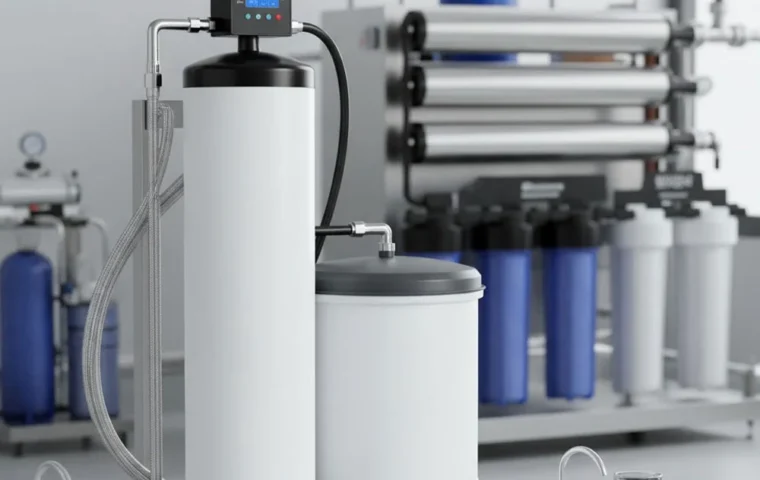
Sediment filters capture suspended particles such as sand, rust, and other debris. Activated carbon filters can improve taste and odor by reducing chlorine and certain organic compounds. Water softeners help control hardness by removing calcium and magnesium through an ion-exchange process.
Reverse osmosis systems can reduce many dissolved substances, including certain salts and metals, depending on the membrane and system design. They may be useful for applications requiring lower dissolved-solids levels, although they also produce a wastewater stream and need appropriate maintenance.
Some facilities may require ultraviolet disinfection or another validated microbial treatment method. These systems address particular biological risks but don’t remove dissolved chemicals or hardness. The water may need pretreatment for the disinfection equipment to work effectively.
A business should never assume that a filter removes every possible contaminant. Check the manufacturer’s performance data, relevant independent certifications, operating limits, and replacement requirements. If water safety is involved, consult qualified professionals and follow applicable public-health guidance.
Installation Quality Matters More Than You Might Expect
Even a well-chosen system can disappoint when it’s installed incorrectly. Poorly planned pipe connections, inadequate flow capacity, insufficient drainage, or limited maintenance access can all create avoidable problems.
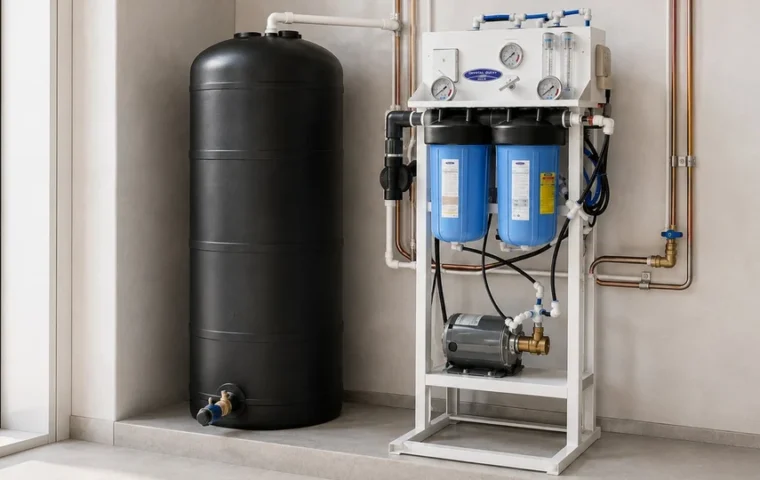
For commercial premises, installation planning should account for water pressure, expected peak demand, available space, electrical requirements where applicable, drainage, and the location of existing plumbing. Businesses should also consider whether installation work can be completed without interrupting essential operations for too long.
Working with a qualified installer helps ensure that equipment is connected and commissioned according to its specifications. Depending on the system, commissioning may include checking for leaks, verifying pressure and flow, flushing new filters, adjusting settings, and confirming that the treated water meets the intended requirements.
This is where expert installation can make a practical difference. Proper setup helps the system operate as designed and gives the business a clearer understanding of how to use and maintain it. Ask the installer to explain the operating controls, maintenance schedule, and warning signs that may require attention.
It’s also sensible to request written documentation. Installation records, equipment specifications, warranty details, and service instructions can save time later, especially when staff members or facility managers change.
Don’t Overlook Maintenance and Operating Costs
The purchase price is only one part of the total investment. Replacement filters, cleaning, servicing, electricity, water consumption, and occasional repairs can affect the cost of ownership over several years.
A system with a low initial price may become expensive if its filters need frequent replacement or specialist parts are difficult to source. On the other hand, buying more capacity than the business needs can mean paying for equipment and operating costs that offer little practical benefit.
Build maintenance into the plan from the beginning. Keep a record of service visits and filter changes, monitor performance indicators where available, and investigate sudden changes in flow, taste, odor, or pressure. These symptoms don’t automatically mean the water is unsafe, but they should not be ignored.
Related resourceChoosing the Right Water Treatment System for a More Comfortable Home
Staff should also know whom to contact if the system stops working. A clear procedure prevents improvised repairs and helps avoid situations where equipment is bypassed without considering the consequences.
The Value of Having Support Close By
Commercial water treatment is rarely a one-time purchase followed by years of complete independence. Filters wear out, operating conditions change, and businesses sometimes need advice as their water usage grows.
Having access to local support can make these situations easier to manage. A dependable service provider may be able to arrange maintenance, source compatible replacement parts, investigate performance problems, and recommend adjustments when business requirements change.
Before choosing a supplier, ask about response times, service coverage, spare-parts availability, and what the warranty actually includes. Find out whether routine servicing is offered and whether staff can receive basic operating guidance.
Local availability alone isn’t enough, of course. Technical competence, transparent pricing, suitable product options, and a willingness to explain recommendations matter just as much. Look for a provider who asks questions about your application rather than immediately pushing the most expensive equipment.
Plan for Today’s Needs and Tomorrow’s Growth
A business that operates comfortably with its current water system may face different demands after expanding its kitchen, adding production lines, increasing guest capacity, or moving into a larger premises.
When comparing systems, consider both current usage and realistic future growth. The solution should handle peak demand without unnecessary complexity, and it should be possible to maintain without disrupting essential work.
It can also help to review water quality periodically, particularly when the source changes, plumbing is upgraded, or a new process is introduced. Treatment that was suitable a few years ago may need adjustment as circumstances evolve.
Make the Decision With Confidence
The right commercial water treatment system starts with a clear understanding of what the business actually needs. Testing, careful equipment selection, professional installation, and consistent maintenance all play a role in achieving reliable results.
Instead of focusing only on price or impressive product claims, compare systems according to measurable performance, operating costs, service availability, and suitability for your application. Ask questions, request documentation, and make sure the proposed solution addresses the specific water-quality concerns you’ve identified.
Good water treatment often works quietly in the background. Equipment runs more reliably, cleaning becomes more manageable, and staff can concentrate on their work instead of dealing with recurring water problems. With a thoughtful plan and the right people supporting it, a business can build a water system that serves its needs today and remains practical as it grows.