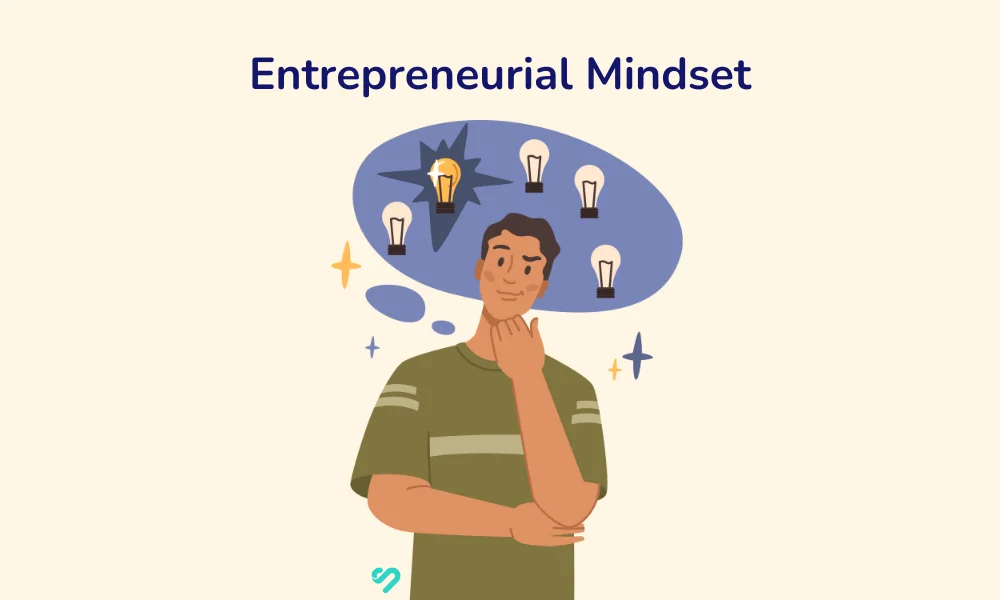
People love to talk about the “entrepreneurial mindset” like it’s some rare gene you either have or don’t. That’s not really how it works.
I’ve met plenty of naturally cautious, risk-averse people who built solid businesses once they trained themselves to think differently about problems. An entrepreneurial mindset is a set of thinking patterns you practice, not a personality type you’re born into.
What an Entrepreneurial Mindset Actually Means
An entrepreneurial mindset is the ability to see problems as opportunities, tolerate uncertainty, and take ownership of outcomes rather than waiting for permission or perfect conditions. It’s less about confidence and more about a specific way of processing setbacks.
Trait 1: Seeing Problems as Opportunities
Most people see a broken process and think “annoying.” An entrepreneurial thinker sees the same thing and thinks “someone would pay to fix this.”
This shift sounds small, but it changes how you move through the world. Every complaint you hear — from friends, at work, anywhere — becomes a potential signal.
Trait 2: Comfort With Uncertainty
You will never have complete information before making important decisions. People with an entrepreneurial mindset make peace with that instead of freezing up.
Has this ever happened to you — waiting for “more certainty” before doing something, only to realize the certainty never actually comes? That’s the exact instinct you need to unlearn.
Trait 3: Bias Toward Action
Entrepreneurs with a strong mindset tend to test ideas quickly and cheaply rather than planning extensively before taking any real step. A rough version launched this week beats a polished version launched six months from now, most of the time.
Trait 4: Taking Full Ownership
No blaming the market, the economy, or bad luck. Ownership means asking “what could I have done differently” even when external factors genuinely did play a role.
I’ll admit this one is uncomfortable to practice. Nobody enjoys taking responsibility for a failed decision. But founders who skip this step tend to repeat the same mistakes.
Trait 5: Continuous Learning
- Reading outside your industry, not just within it
- Actively seeking feedback, even the kind that stings a bit
- Treating every failed attempt as data, not a verdict on your worth
How to Actually Build This Mindset (Practical Steps)
- Start small. Take on a tiny side project with real stakes — even something as simple as selling handmade items locally.
- Journal your decisions. Write down what you decided and why, then revisit it later to see how your thinking holds up.
- Surround yourself with builders. Spend time with people actually running businesses, not just talking about ideas.
- Practice rejection. Pitch something to five people knowing most will say no. It desensitizes you fast.
- Reflect without spiraling. Review mistakes honestly, then move forward — dwelling too long is just as unproductive as ignoring them.
[link to related guide on entrepreneurial skills here]
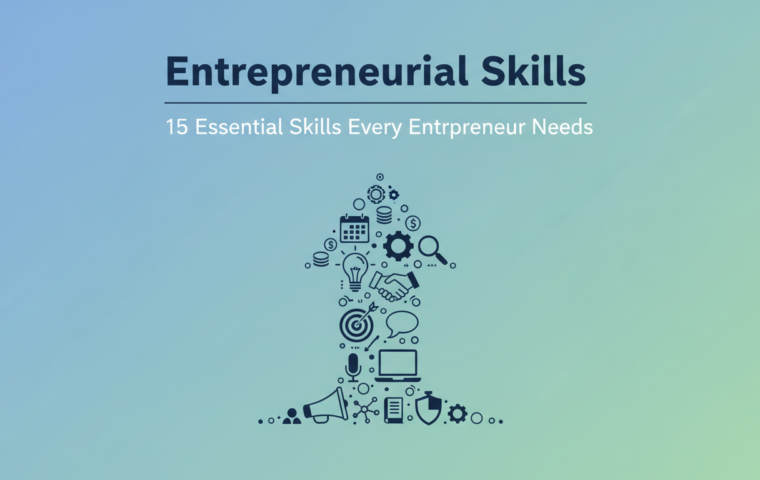
Related resourceEssential Skills Every Entrepreneur Needs to Succeed
Common Obstacles People Face
Fear of judgment tops the list, especially in families where a stable job is considered the “safe” choice. Financial pressure is another big one — it’s hard to think long-term when short-term bills need paying.
There’s also the comparison trap. Watching other founders’ highlight reels on social media distorts what “normal” progress actually looks like.
FAQs
Is an entrepreneurial mindset only for people starting a business? No, it’s useful in any role — employees with this mindset often become the most valuable people on a team.
Can introverts develop an entrepreneurial mindset? Absolutely, this mindset is about thinking patterns, not personality type. Plenty of successful founders are introverted.
How long does it take to build an entrepreneurial mindset? It varies, but consistent small practice over 6-12 months usually creates a noticeable shift in how someone approaches problems.
Does failure hurt an entrepreneurial mindset? It can if handled poorly, but reframed correctly, failure is actually one of the fastest ways to strengthen this mindset.
What’s the difference between confidence and an entrepreneurial mindset? Confidence is a feeling; the mindset is a practiced way of approaching uncertainty and ownership, regardless of how confident someone feels in the moment.
Conclusion
An entrepreneurial mindset isn’t something you either have or don’t — it’s built through small, repeated choices to act despite uncertainty and take ownership of the outcome. Start with something low-stakes, reflect honestly, and keep going even when it’s uncomfortable. That discomfort, more often than not, is the actual training.
Suggested alt text 1: “Person journaling and reflecting on entrepreneurial decisions” Suggested alt text 2: “Small business owner taking action on a new idea”