“How do I raise funding?” is probably the most common question I hear from first-time founders. And honestly, it’s usually the wrong question to lead with.
The better question is: which startup funding options actually match where your business is right now? A pre-revenue idea and a startup doing ₹5 lakh a month don’t need the same kind of money, and treating them the same is how founders waste months chasing the wrong investors.
Why Funding Choice Matters More Than People Think
The right startup funding option depends on your stage, your willingness to give up equity, and how fast you need to scale. Picking the wrong one can mean losing control of your company too early, or missing growth windows because you were too conservative.
Option 1: Bootstrapping
This is funding your business with your own savings or revenue. No investors, no debt, no pressure from outside stakeholders.
I’m a bit biased toward this one — I’ve seen too many founders raise money before they even had product-market figured out, and it created pressure that hurt the business more than it helped. Bootstrapping forces discipline. It’s slower, sure, but you keep 100% ownership.
Option 2: Friends and Family
Still one of the most common early funding sources in India, and for good reason — it’s fast and flexible. That said, mixing money and relationships is risky. Get everything in writing, even if it feels awkward.
Option 3: Angel Investors
Angel investors are individuals who invest their own money into early-stage startups, usually in exchange for equity.
- Typical check size: ₹10 lakh to ₹1 crore
- Best for startups with an MVP and some early traction
- Networks like Indian Angel Network and LetsVenture are active in this space
Angel investors often bring mentorship and connections along with capital, which can matter more than the money itself for a first-time founder navigating unfamiliar territory.
Option 4: Venture Capital
VC funding makes sense once you have proven traction and a scalable model. VCs typically invest larger amounts (₹1 crore+) in exchange for significant equity, and they’ll expect a clear path to rapid growth.
This isn’t for every business. If you’re building something that doesn’t need hypergrowth to be successful — a niche consulting firm, say — VC money can actually push you toward decisions that don’t fit your goals.
Option 5: Government Grants and Schemes
India has a decent ecosystem here that a lot of founders overlook:
- Startup India Seed Fund Scheme — up to ₹20 lakh for early-stage validation
- SIDBI Fund of Funds — indirect funding through registered VC funds
- State-specific startup policies — many states offer additional grants and subsidies
[link to related guide on business registration process here]
Related resourceCommon Reasons Startups Fail and How to Avoid Them
Option 6: Crowdfunding
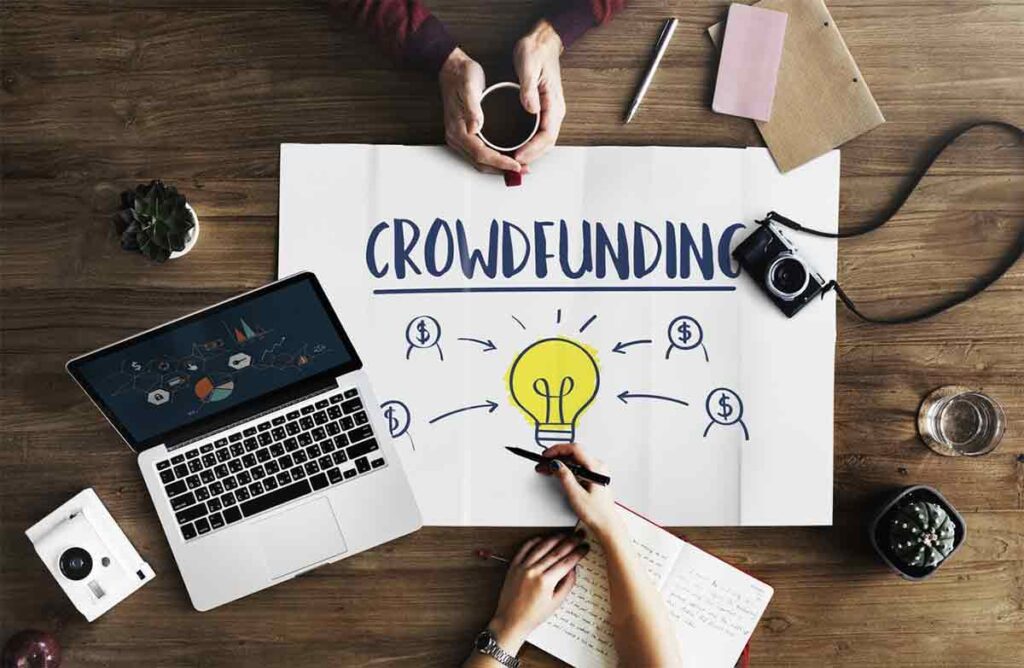
Platforms like Kickstarter or India-specific ones like Ketto work well for product-based businesses with a strong story. It also doubles as market validation — if people won’t fund it, they might not buy it either.
Option 7: Bank Loans and NBFCs
Traditional debt funding still has a place, especially for businesses with predictable revenue. The upside: you don’t give up equity. The downside: you’re on the hook for repayment regardless of how the business performs.
How to Decide Which Option Fits You
Ask yourself honestly:
- Do I want to keep full control, or am I okay sharing decision-making?
- Can my business survive slower, self-funded growth?
- Am I building something investors would even want (high-growth, scalable)?
FAQs
What’s the easiest startup funding option to get in India? Friends and family or bootstrapping, since they don’t require pitching to institutional investors.
How much equity should I give up for angel investment? Typically 10-20% for early-stage rounds, though this varies based on valuation and negotiation.
Do I need a business plan to apply for government grants? Yes, most schemes require a detailed business plan and sometimes a working prototype.
Is venture capital good for a small business? Not usually — VC funding fits high-growth, scalable startups more than steady small businesses.
Can I combine multiple funding options? Absolutely, many startups mix bootstrapping, angel money, and later VC rounds as they grow.
Conclusion
There’s no universal “best” funding option — only the one that fits where you actually are. Start by being honest about your stage and your appetite for giving up control, then match that to the right source. The founders who struggle most are usually the ones chasing funding that doesn’t fit their business yet, not the ones who took a slower, more deliberate path.
Suggested alt text 1: “Startup founder pitching funding options to investors” Suggested alt text 2: “Chart comparing different types of startup funding sources”